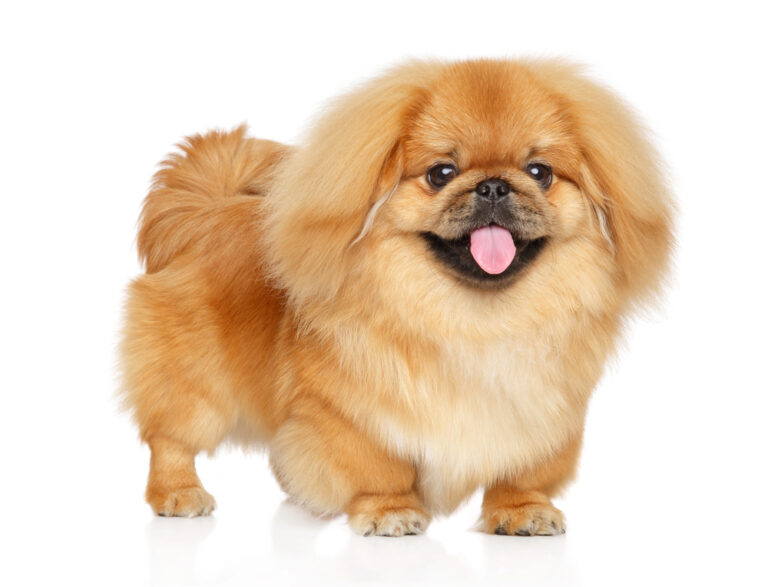
Dog Breeds Overview
Dog breeds shape behavior, temperament, and lifestyle compatibility, allowing owners to match a dog’s needs with their own abilities and environment. With hundreds of widely recognized breeds and dozens more emerging through selective breeding, the diversity in physical structure and personality among dogs is unmatched in the animal kingdom. Dog breeds also influence a dog’s working instincts, grooming needs, trainability, and overall suitability for different families.
Dog breeds have evolved from wolves over thousands of years, but selective breeding intensified during the last 300 years. As humans developed purpose-specific tasks such as guarding, herding, hunting, and companionship, dog breeds became increasingly specialized. For many owners, choosing a breed is not only about appearance but also about energy levels, behavior patterns, and long-term care requirements.
Today, knowing which breeds align best with your lifestyle prevents behavioral issues, health challenges, and mismatched expectations. A dog’s breed gives valuable insight into what it needs to thrive—physically, mentally, and emotionally. For new and experienced owners alike, learning the core traits of common dog breeds is a crucial step toward raising a healthy, happy pet.
1. Working Dog Breeds
Working dog breeds include Rottweilers, Boxers, Great Danes, Mastiffs, and Siberian Huskies. These dogs were developed to perform physically demanding jobs such as guarding property, pulling sleds, or protecting livestock. They typically display intelligence, confidence, and significant strength, which makes them excellent for structured environments.
However, working breeds require early training, consistent exercise, and mental stimulation. Without proper guidance, they may develop stubborn or destructive behaviors. These dogs thrive with experienced owners who understand strong-willed temperaments and physical needs.
Pros
• Highly intelligent and trainable
• Excellent for protection and security roles
• Strong, loyal, and devoted companions
Cons
• Require significant exercise and leadership
• Can be too powerful for inexperienced owners
• Some breeds prone to joint or heart issues
2. Herding Dog Breeds
Herding breeds include Border Collies, Australian Shepherds, Belgian Malinois, Corgis, and German Shepherds. These dogs excel in tasks that require quick decision-making, agility, and constant movement. Their high energy levels make them ideal for active households or owners who enjoy outdoor activities.
These breeds are often considered among the smartest dogs in the world. However, without adequate stimulation, herding instincts may lead to unwanted behaviors such as nipping, chasing children, or excessive barking.
Pros
• Remarkably intelligent and quick to learn
• Great for agility sports and advanced training
• Loyal and highly bonded to their families
Cons
• Require 1–2 hours of exercise daily
• Can be overly stimulated in busy homes
• Strong prey and herding instincts persist
3. Sporting Dog Breeds
Sporting breeds include Labrador Retrievers, Golden Retrievers, Pointers, Spaniels, and Setters. Known for friendliness and trainability, these dogs were developed for retrieving birds and assisting hunters. They thrive in family environments and are among the most popular breeds worldwide.
Their high sociability makes them great with children and other pets, but they need regular activity to stay balanced. Sporting dogs may struggle with boredom if left alone for long periods.
Pros
• Friendly, gentle, and highly social
• Easy to train and eager to please
• Excellent family companions
Cons
• Require daily physical activity
• Can become destructive without stimulation
• Prone to obesity if under-exercised
4. Hound Dog Breeds
Hound breeds include Beagles, Greyhounds, Dachshunds, Bloodhounds, and Afghan Hounds. These dogs were developed for tracking scents or chasing prey. Scent hounds have incredible noses, while sight hounds rely on speed and visual targeting.
Although loyal, many hounds display independent thinking and may ignore commands if they pick up an interesting scent. They excel in relaxed environments but require safe outdoor exploration.
Pros
• Excellent companions for calm lifestyles
• Strong hunting instincts for scent tracking
• Usually low-maintenance grooming
Cons
• Independent and sometimes stubborn
• Strong prey drive can be challenging
• Scent hounds may follow smells and wander
5. Terrier Dog Breeds
Terriers such as Jack Russell Terriers, American Staffordshire Terriers, Airedales, and Bull Terriers were bred to control vermin and guard property. Their tenacity, energy, and courage make them lively and enthusiastic companions.
Terriers love digging, chasing, and barking, which may surprise first-time owners. They need consistent training and plenty of activity to channel their energy constructively.
Pros
• Energetic and engaging personalities
• Great for active individuals
• Strong protective instincts
Cons
• Can be noisy or destructive
• Often aggressive toward small animals
• Require boundary training
6. Toy Dog Breeds
Toy breeds include Chihuahuas, Pomeranians, Maltese, Shih Tzus, and Yorkshire Terriers. These dogs are bred primarily for companionship. Their compact size makes them ideal for city living or apartments.
Although small, toy breeds often possess big personalities and may act fearless around larger dogs. They typically need moderate exercise but plenty of social interaction.
Pros
• Perfect for small spaces
• Loyal lap dogs
• Lower exercise requirements
Cons
• Fragile and prone to injury
• May develop separation anxiety
• Can be difficult to housetrain
7. Non-Sporting Dog Breeds
Non-sporting breeds include Bulldogs, Poodles, Dalmatians, Bichons, and Shiba Inus. This group is a diverse mix of dogs that do not fit neatly into other breed categories. Their temperaments vary significantly, making research essential.
These dogs range from energetic to very low-energy, so matching their needs with your lifestyle is critical before choosing a breed from this group.
Pros
• Wide variety of personalities
• Many breeds suitable for families
• Often low-shedding options available
Cons
• Breed differences can be dramatic
• Some require extensive grooming
• Behavioral predictability varies
8. Guardian Dog Breeds
Guardian breeds include Anatolian Shepherds, Cane Corsos, Kuvasz, Great Pyrenees, and Tibetan Mastiffs. These dogs were bred to protect flocks and property, giving them strong territorial instincts and deep loyalty.
They need confident, experienced owners who can socialize them early. Without guidance, guardian dogs may become overly protective.
Pros
• Excellent for security roles
• Deep loyalty to family
• Low prey drive in many breeds
Cons
• Require firm leadership
• Can be aloof or stubborn
• Not ideal for busy urban environments
9. Companion Dog Breeds
Companion breeds include Cavaliers, Bolognese, Havanese, and mixed-breed family dogs. They are bred primarily to bring emotional comfort and companionship rather than perform specific tasks.
These breeds often adapt well to indoor living and thrive on affection. However, they may struggle with loud environments or being left alone too long.
Pros
• Calm and affectionate
• Great for seniors and families
• Lower energy than working breeds
Cons
• May develop attachment issues
• Require consistent grooming in some cases
• Sensitive to stress or chaos
10. Low-Maintenance Dog Breeds
Low-maintenance breeds such as Greyhounds, French Bulldogs, Whippets, and Basenjis are ideal for owners who need dogs with moderate exercise needs and reasonable grooming requirements.
While they may be easier to care for, these breeds still require training, socialization, and mental stimulation. Owners often choose them for simple routines and manageable activity levels.
Pros
• Easier grooming and care
• Moderate activity needs
• Good for busy lifestyles
Cons
• Some breeds prone to respiratory issues
• Low-energy dogs may lack enthusiasm for play
• Can develop boredom-related habits
11. High-Maintenance Dog Breeds
High-maintenance breeds include Poodles, Samoyeds, Afghan Hounds, and Bernese Mountain Dogs. These dogs often have thick coats, large bodies, intensive grooming requirements, or significant exercise needs.
Owners must commit to daily brushing, structured exercise, or frequent professional grooming. These breeds are rewarding but require dedication.
Pros
• Beautiful appearance and strong abilities
• Often excellent in advanced training
• Strong companionship and loyalty
Cons
• Time-consuming grooming
• Can be prone to overheating
• Require large yards or active owners
12. Dog Breeds and Living Environments
Selecting a breed requires evaluating your home size, daily schedule, and lifestyle habits. Apartment dwellers benefit from low-energy or small breeds, while large yards suit athletic or working dogs.
Matching breed size and temperament to your environment prevents behavioral issues. Dogs thrive when their needs are aligned with where they live.
13. Dog Breeds and Exercise Needs
Active breeds need structured exercise to stay happy and well-behaved. Running, hiking, agility, or chasing games stimulate both body and mind. Conversely, low-energy breeds require shorter walks but still benefit from enrichment such as puzzles or training sessions.
Exercise routines should always be based on age, breed, and health conditions. Puppies and seniors require different levels of activity.
14. Dog Breeds and Trainability
Trainability varies widely among dog breeds. Herding, sporting, and working dogs often excel in obedience training due to their natural desire to work. Independent breeds such as hounds or terriers may require more persistence and creativity.
Consistent positive reinforcement produces the best results regardless of breed. Early socialization is essential to build confidence and prevent behavioral issues.
15. Dog Breeds and Grooming Requirements
Long-haired, double-coated, or curly-coated breeds require regular brushing to prevent matting and shedding issues. Short-haired dogs require less grooming but still need occasional baths and nail trimming.
Professional grooming may be necessary for breeds such as Poodles, Shih Tzus, and Bichons. Grooming is also crucial for maintaining skin health and preventing discomfort.
16. Dog Breeds and Family Compatibility
Not all breeds suit every family. Families with young children may prefer gentle breeds like Labradors, Beagles, or Cavaliers. Active families may benefit from herding or sporting dogs that can join outdoor adventures.
Older individuals may prefer toy breeds or companions that require moderate care. Compatibility prevents stress for both dog and owner.
17. Dog Breeds and Hypoallergenic Options
Breeds such as Poodles, Schnauzers, Bichons, and Portuguese Water Dogs shed minimally and produce less dander. These dogs are excellent for allergy-sensitive individuals.
However, no dog is truly 100% hypoallergenic. Regular grooming and home cleaning help reduce allergens further.
18. Dog Breeds and Temperament Differences
Temperament varies widely across dog breeds. Some breeds are affectionate and eager to please, while others may be aloof or independent. Understanding temperament helps owners choose dogs that match their expectations.
Temperament is shaped by genetics, training, and socialization. Breed tendencies guide behavior, but individual differences always exist.
19. Dog Breeds and Common Behavior Challenges
Some breeds are prone to barking, digging, chewing, or chasing due to historic working traits. Terriers may dig, hounds may wander, and herding dogs may nip running children.
Understanding these tendencies helps owners create training strategies that redirect behaviors into healthy activities.
20. Dog Breeds and Health Problems
All dog breeds face potential health problems, but some issues are more common in specific groups:
Common Health Problems by Breed Types:
• Large breeds: Hip dysplasia, heart disease, joint degeneration
• Small breeds: Patellar luxation, dental issues, tracheal collapse
• Flat-faced breeds: Breathing problems, overheating, eye irritation
• Hounds: Ear infections due to long ear canals
• Working breeds: Arthritis from high activity levels
• Toy breeds: Hypoglycemia in puppies
• Herding breeds: Genetic eye conditions
Preventive care, including regular vet checkups, proper nutrition, and weight management, significantly reduces health risks.
21. Dog Breeds Pros and Cons Summary
Each dog breed has advantages and disadvantages based on lifestyle compatibility. Active breeds offer companionship for outdoor living but require more time and training. Low-energy breeds provide calm companionship but may face health challenges.
Selecting a breed involves balancing personality traits, grooming routines, trainability, and health predispositions. The right match leads to long-lasting, harmonious relationships.
22. Frequently Asked Questions About Dog Breeds
What is the best family-friendly dog breed?
Labrador Retrievers, Golden Retrievers, Beagles, and Cavalier King Charles Spaniels are widely considered excellent with children due to their patience and friendly temperament.
Which dog breeds are easiest to train?
Border Collies, Poodles, Australian Shepherds, German Shepherds, and Labrador Retrievers are among the most trainable breeds.
Which breeds are lowest maintenance?
Greyhounds, French Bulldogs, Whippets, and some mixed-breed dogs require moderate exercise and minimal grooming.
Which breeds are most likely to develop health problems?
Bulldogs, Pugs, German Shepherds, Great Danes, and Golden Retrievers have well-documented health risks due to genetic factors or body structure.
What is the most intelligent dog breed?
The Border Collie consistently ranks as the most intelligent breed, followed by Poodles and German Shepherds.
Are mixed-breed dogs healthier?
Many mixed breeds benefit from genetic diversity, which can reduce hereditary conditions. However, they still require proper care and health monitoring.
23. Final Tips for Choosing the Right Dog Breed
Consider your energy level, home environment, work schedule, and long-term lifestyle before choosing a breed. Dogs thrive when their needs match their owner’s ability to meet them. Commitment, consistency, and informed decision-making ensure a healthy and fulfilling relationship.
Research individual breeds, meet several dogs in person, and consult reputable breeders or shelters. A well-chosen breed brings companionship, joy, and loyalty for many years.
References
- https://www.akc.org/dog-breeds/
- https://www.hillspet.com/dog-care/breed-selector
- https://www.caninehealthinfo.org/breeds/